
Maximizing Efficiency With Advanced Air Treatment Solutions
Compressed air systems serve as the lifeblood for many industrial and commercial operations. While the compressor generates power, the quality of the air it produces determines the longevity and efficiency of your tools and equipment. Air treatment is a critical process that removes contaminants like moisture and particulates from your compressed air supply. Without proper treatment, water vapor can condense inside your pipes and machinery, leading to rust, corrosion, and costly downtime. Investing in high-quality air treatment solutions ensures your system runs smoothly and your end products remain free from contamination.
The Critical Role Of Air Treatment In Compressed Air Systems
The compression process naturally concentrates contaminants found in the ambient air. As the air compressor pulls air in, it also pulls in water vapor. When that air compresses, the temperature rises, and the ability of the air to hold moisture changes. Once the air cools down in your piping system, that moisture turns into liquid water. This condensate creates significant problems for pneumatic tools and machinery. Proper air treatment protects your investment by removing these harmful elements before they cause damage. You prevent corrosion in your air distribution piping and reduce wear on pneumatic tools. High-quality air treatment extends the lifecycle of your entire system. Consider the following negative impacts of untreated compressed air:
- Corrosion and Rust: Moisture in the pipes leads to rust scale that creates blockages and eventually leaks in the distribution lines.
- Tool Damage: Water washes away the necessary lubricants in pneumatic tools, causing them to seize or fail prematurely.
- Product Contamination: In applications like paint spraying or food packaging, moisture can ruin the final product and lead to expensive rework.
- Frozen Pipes: In colder environments, trapped water freezes in outdoor lines and blocks airflow completely.
- Increased Maintenance Costs: Systems with untreated air require more frequent filter changes and repairs compared to systems with proper air dryers.
Understanding How An Air Dryer Works
An air dryer acts as the primary defense against moisture in a compressed air system. Its main function involves lowering the dew point of the compressed air. The dew point represents the temperature at which water vapor condenses into liquid. By lowering this temperature, the air dryer effectively removes moisture from the air stream before it enters your facility’s piping.
Different technologies achieve this goal, but the objective remains the same. You want dry, clean air delivered to your equipment. An effective air dryer works continuously to match the output of your compressor, ensuring consistent air quality regardless of the ambient conditions.
The Advantages Of Refrigerated Air Dryers
Refrigerated air dryers are the most common solution for general industrial applications. These units operate similarly to a kitchen refrigerator or a home air conditioning system. They use a refrigeration circuit and heat exchangers to cool the compressed air. As the air cools, the water vapor condenses into liquid water, which a moisture separator then drains away. This technology offers a reliable and cost-effective method for air treatment. Refrigerated air dryers typically maintain a dew point around 38°F to 50°F, which is sufficient for most manufacturing and service shop environments. They are easy to install, require minimal maintenance, and provide a steady supply of dry air. Key benefits of choosing refrigerated air dryers include:
- Cost Efficiency: They generally have a lower initial purchase price and lower operating costs compared to other drying technologies.
- Reliability: The technology is robust and proven, offering long service intervals and dependable performance.
- Easy Maintenance: Routine maintenance usually involves keeping the condenser coils clean and checking the drain operation.
- Resistance to Oil: These units handle small amounts of oil carryover from the compressor better than desiccant dryers.
Selecting The Right Air Treatment Solution
Choosing the correct air treatment equipment requires a careful analysis of your specific system requirements. You must consider the total airflow (CFM) of your compressor, the maximum operating pressure, and the ambient air temperature. An undersized air dryer will result in moisture carryover, while an oversized unit wastes energy. High-temperature refrigerated air dryers are specifically designed for piston compressors that often discharge very hot air. These units include an aftercooler to reduce the air temperature before it enters the drying circuit. Matching the dryer to your specific compressor type ensures optimal performance. Evaluate these factors when selecting your equipment:
- Inlet Temperature: Ensure the dryer is rated for the maximum temperature of the air leaving your compressor.
- Ambient Temperature: Consider the hottest temperature of the room where the dryer will operate.
- Flow Rate: The dryer must process the full CFM output of your compressor at its highest demand.
- Pressure Dew Point: Determine how dry the air needs to be for your specific application.
Enhancing System Performance With D & D Compressor
Implementing a robust air treatment strategy is not just about buying a piece of equipment. It is about securing the reliability of your entire operation. Clean, dry air protects your tools, ensures product quality, and reduces operational headaches. At D & D Compressor Inc., we understand the nuances of air treatment and can help you navigate the options to find the perfect solution for your facility. We offer a range of refrigerated air dryers designed to handle the rigorous demands of industrial use. Contact us today to protect your equipment and improve your efficiency by upgrading your air treatment system.
Showing all 3 results
-
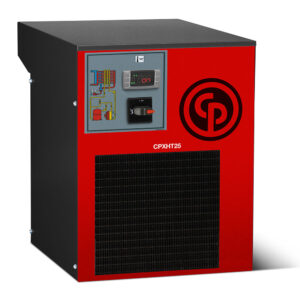
CPXHT25
$0.00 Request a quoteWeight 57 lbs Dimensions 14 × 15 × 19 in Horsepower HighTemp
Voltage 115/1/60
Configuration R513A Refrigerant
-
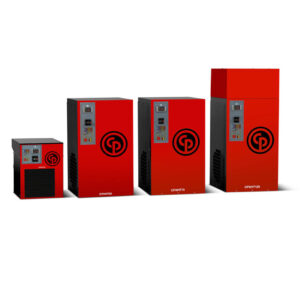
CPXHT50
$0.00 Request a quoteWeight 108 lbs Dimensions 18 × 23 × 31 in Horsepower HighTemp
Voltage 115/1/60
Configuration R513A Refrigerant
-
CPXHT75
$0.00 Request a quoteWeight 168 lbs Dimensions 18 × 23 × 31 in Horsepower HighTemp
Voltage 115/1/60
Configuration R513A Refrigerant